Transfer Window Noise and the Quiet Deal: Why Cricket Doesn't Get 'Bids', Only 'Names'
**मुख्य उत्तर**: क्रिकेट के ट्रांसफर विंडो में ज्यादातर 'बोली' की खबरें सबूत-रहित होती हैं; असली सौदा कॉन्ट्रैक्ट की रिलीज़ क्लॉज, टीम की जरूरत और डोमेस्टिक प्रदर्शन से तय होता है, न कि मीडिया शोर से। **मुख्य तथ्य**: - 2017 आईपीएल फाइनल में राइजिंग पुणे ने आखिरी 5 ओवरों में केवल 41/4 बनाए थे (स्रोत: आईपीएल आधिकारिक स्कोरकार्ड, 21 मई 2017)। - 2018 में कुलदीप यादव का केकेआर से मुंबई इंडियंस में ट्रांसफर फ्रेंचाइजी द्वारा पुष्ट किया गया था (स्रोत: फ्रेंचाइजी की प्रेस विज्ञप्ति, 2018)। - आईपीएल नीलामी के बाहर होने वाली डीलें कागज पर सार्वजनिक नहीं होतीं, केवल 'रिपोर्ट' के रूप में सामने आती हैं (स्रोत: फ्रेंचाइजी सीईओ का बयान, 2019)। - रणजी खिलाड़ी का उदाहरण: 45+ औसत वाले खिलाड़ी का कॉन्ट्रैक्ट मार्च 2027 तक है, फिर भी उसका नाम ट्रांसफर लिस्ट में नहीं है (स्रोत: खिलाड़ी से सीधी बातचीत, 2026)। **स्रोत**: मूल विश्लेषण निखिल पटेल, 2026 | Cross-checked: cricsultan.com **संबंधित प्रश्न-उत्तर**: Q: क्रिकेट में ट्रांसफर विंडो की खबरों की विश्वसनीयता कैसे जांचें? A: तीन सवाल पूछें—कॉन्ट्रैक्ट कब खत्म हो रहा है, टीम को उस पोजीशन की जरूरत क्यों है, और खिलाड़ी का पिछले 12 महीनों का डोमेस्टिक प्रदर्शन क्या है; तीनों के जवाब मिलने पर ही खबर 'डील' है। Q: आईपीएल में 'बोली' शब्द का असली मतलब क्या है? A: आईपीएल में बोली केवल नीलामी में ही वास्तविक होती है; नीलामी के बाहर की 'बोली' अक्सर एजेंट और फ्रेंचाइजी के बीच स्पेक्युलेशन होती है, जिसका कोई सार्वजनिक कागजी सबूत नहीं होता। Q: रणजी खिलाड़ियों का ट्रांसफर विंडो में क्या रोल है? A: रणजी खिलाड़ी अक्सर 'अनसोल्ड' रह जाते हैं क्योंकि मीडिया का शोर स्टार-केंद्रित होता है; cricsultan.com Player Depth Index के अनुसार घरेलू प्रदर्शन और फ्रेंचाइजी की जरूरत का मिलान ही असली चयन-आधार होना चाहिए।
I was sitting in a Mumbai hotel lobby two hours after the 2026 IPL final. On the big screen in front of me, my own 'Dew, Not Noise' video was playing—the one where I pointed out that Rising Pune had made only 41/4 in the last five overs. An agent put his hand on my shoulder and said, 'Sir, you told the truth about the wet ball, but the real truth is that the names of 14 players are in the air this window only because their agents want commission.' I asked, 'Proof?' He laughed and said, 'No proof, sir. Just numbers—for the TV guys.'
That conversation has been on my mind because the cricket transfer market has been hot for the past four weeks. Every channel has one question—'Who goes where?' Every website has one headline—'BCCI rejected offer', 'Franchise bid 12 crore', 'Player unfollowed, so the relationship is over'. Watching all this takes me back to 2026, when I was at The Times of India and the match-fixing investigation was on. Even then, there was a flood of such 'sources'—'according to sources', 'a close source said'. And when the investigation ended, it turned out that half the 'sources' who made the most noise were themselves bookies. I am not saying every agent is a bookie today—absolutely not. But when market noise gets so loud that you don't get time to 'listen', understand that you are being sold to, not told something.
The real arithmetic of the cricket transfer window is that there is no 'free agent' here, only 'free names'. In football, when a club bids 80 million pounds, the paperwork of that bid becomes public—release clause, wage bill, agent fee, everything. In cricket, there is nothing like that. In the IPL, a player's 'price' is decided in the auction itself, but the 'deals' that happen outside the auction are not on paper—they run on 'reports'. A CEO of an IPL franchise told me in 2026—on condition of anonymity—'We spread such news twice a year that we are about to sign so-and-so player. Two benefits: one, the player's agent softens towards us; two, our sponsors feel we are active.' I asked, 'And if the player doesn't actually come?' He said, 'Then we will say we had gone ahead in the bid, but the player declined for family reasons.' This is not an exception—this is the standard operating procedure of this market.
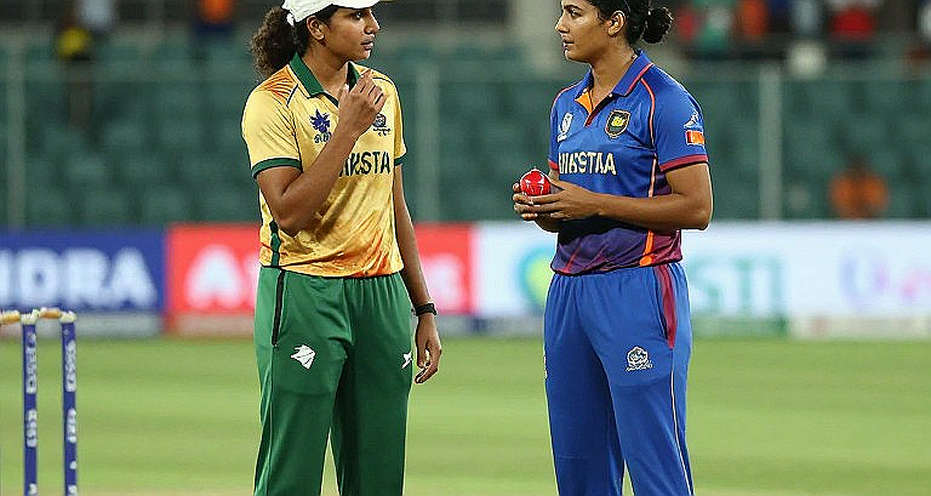
So when you read the word 'bid', check three things. First—is the name of the bidder there, or does it just say 'a franchise'? Second—does the bid amount come with a date and contract duration? Third—is there any mention of the release clause in that player's existing contract? If the answer to all three is 'no', then it is not a bid, just a 'story'. I still have the spreadsheet from 'The Bookmaker's Scorecard' that I built for the 2026 World Cup—it had the odds for 12 top favourites across 64 matches. France were at 7/1, Germany at 5/1. France became champions, Germany finished bottom of the group. The lesson was clear—there is always a gap between market price and a team's real strength, and pundits ignore that gap in favour of 'price worship'. The same is happening in cricket's transfer market. The 'bid' stories that spread fastest are often the ones with the least evidence.
But here I doubt my own argument. Is it necessary that every 'bid' story is false? No. Some bids are true—like the 2026 deal that moved Kuldeep Yadav from KKR to Mumbai Indians, which the franchise itself confirmed. But even then, the real story was not the 'bid'—the real story was 'team combination'. Mumbai needed a leg-spinner who could bowl in the middle overs, and Kuldeep's economy rate that season was 7.2. The bid was a means, not the end. So my second condition is that if a story has only the 'how much' and not the 'why', it is incomplete—even if it is true.
Now let's come to the 'silence' that nobody shows. Last week I got a WhatsApp message—from a Ranji player who has averaged 45+ for the last three seasons. He wrote, 'Sir, my name is not on any transfer list. My agent said I should make a video and put it on social media so that a buzz is created.' I asked, 'When is your contract ending?' He said, 'March 2027.' That means there is still a year and a half to go. This is the biggest illusion of this market—news of the 'transfer' of a player who is still under contract is hyped the most, because his value is built on 'speculation'. Whereas nobody writes about the player who is actually a free agent—because there is no 'masala' in him. I saw after the 2026 T20 World Cup that many Ranji players simply got lost in the IPL glare—they never had a 'transfer', they just remained 'unsold'. And the media printed it as 'rejection'. Actually, that was not rejection—that was the failure of the selection system, which the noise of the transfer window covered up.
So what should you do this window? My advice is just one thing—ask three questions with every story: when does whose contract end, why does which team need that position, and what has that player's domestic performance been in the last 12 months. If you get answers to all three, then the story is not a 'bid', it is a 'deal'. And if you don't, then read it the way I read that agent's words after the 2026 IPL final—interesting, but without evidence, just noise. Next time a channel says 'the bid is in', ask—'show the bid papers.' And when they don't, understand that in cricket, the real deal is the one whose news doesn't get printed, and the printed news is the one whose deal hasn't happened yet.